What is VFX Editing and How To Do That
What is VFX Editing and How To Do That

Cinema has dazzled us in the last decade with its advanced technology to generate effects with a truly incredible level, it is something that continues to evolve more and more. You may have asked yourself what do they edit? That is why today we want to teach you one of the programs par excellence to achieve these effects.
What is VFX?
For this answer, we want to first talk about what the visual effects encompass. And it is that you can not only see them in cinema, you can also see them in television series, commercials, videogame cinematics, video clips, virtual reality, etc. There are many fields that encompass and there seems to be more and more, but in this post, we want to orient ourselves in the cinema so that you understand the process more closely. But first, we have to differentiate special effects from digital (computer-generated) or visual effects from now on.
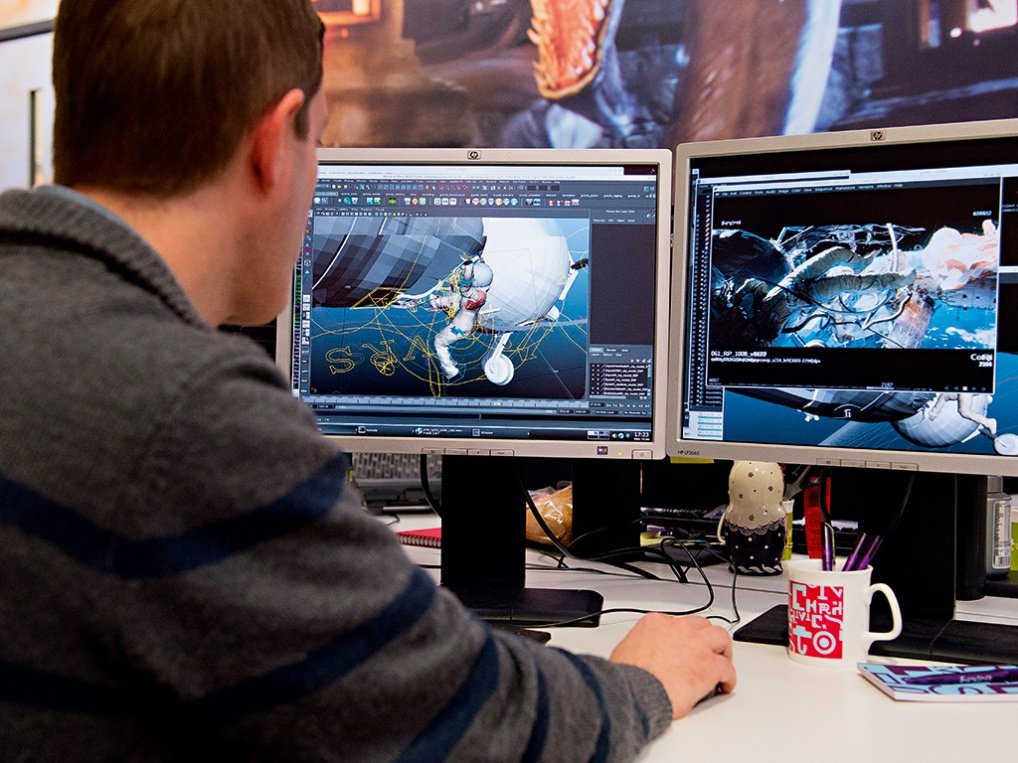
VFX Types: Special Effects Vs Visual Effects
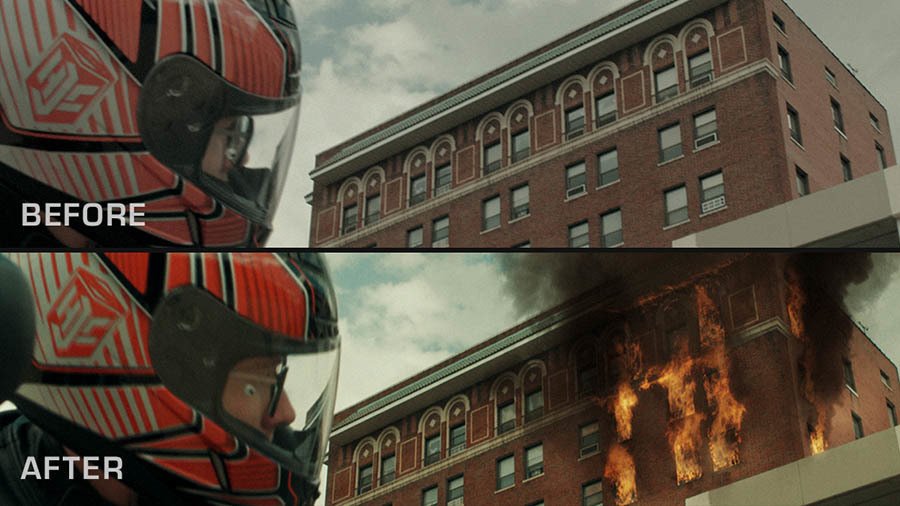
On the one hand, there are special effects recorded in real form. They literally make a real flamethrower and record it, or a splash of blood, and then they record that recording digitally and apply it to the recorded material. But the basis of that effect comes directly from a real image.
And then there are the visual effects. As we have already said, those generated by digital techniques (With a PC). And it is important to understand the nature and the need to apply these in new productions since we are basically supporting images recorded in the real form with computer-generated elements. Elements that in some way would be impossible to generate in a real way or that simply fit the budget better. These effects can range from explosions to fighting superheroes, animal recreations, generation of cities and crowds, and a long etcetera of everything you can think of.
VFX Digital Composition Techniques
The digital composition is the area of visual effects (VFX) that is responsible for combining, modifying, or eliminating different elements in a plane. There are different techniques of digital composition, although Nuke is currently the program par excellence and the most advanced there, there are other alternatives that, although not as complete, are highly specialized for different tasks: Fusion (DaVinci resolve), Flame, After Effects and Mocha.
Below, we explain some of the fundamentals and basic techniques of VFX digital composition:
Chroma Key (Keying)
Chroma key is one of the most widely used and widespread color manipulation compositions techniques in the VFX industry. One of the most common objectives of this technique is to superimpose characters in different scenarios, be it a real background or digitally created.
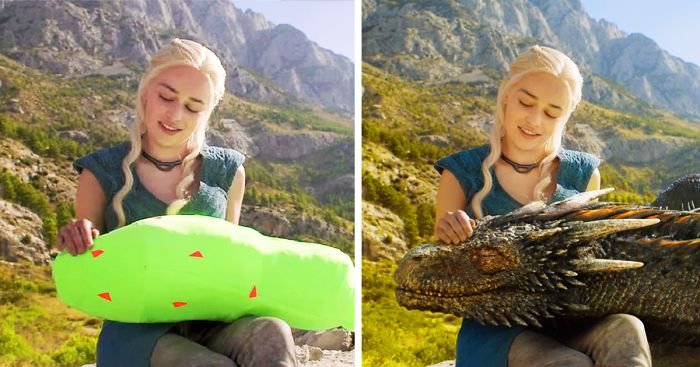
The technique, also called Keying, consists of separating an object or person from a monochrome background. I. e., a recording of said element is made on a generally green or blue background to isolate it, which will then be used to achieve a perfectly defined mask and replace this green background with another image.
Color correction
Color correction is perhaps the most important element in the process of audiovisual composition. It is a technique that, by modifying certain colors, is used to correct exposure problems, light parameters, modify the aspect (look), equalize or unify the levels of different planes (color grading), etc.
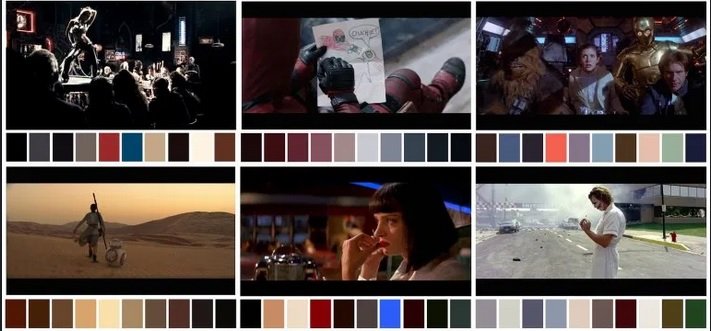
Why is the use of color so important? Modifying the colors we change the intention in a sequence. Color, light, and silhouettes help us transmit emotions to our viewers. As composers, we must use our color palette to manipulate the emotional curve in a film.
Tracking
The tracking technique consists of tracking objects by recognizing a pixel or a set of pixels. This allows us to calculate its trajectory during a plane, to then be able to place other elements digitally that follow said movement.
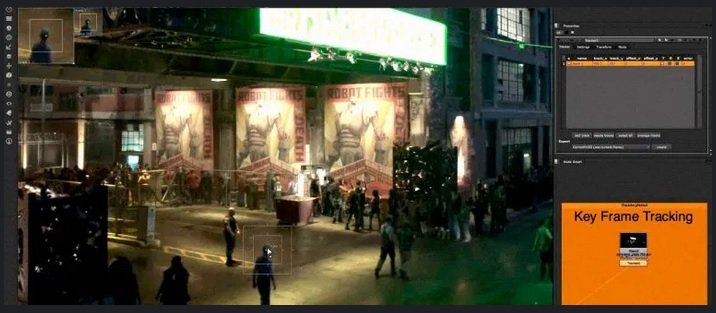
The information provided by tracking allows us to determine the movement of a fixed object in a scene, of a moving element, or reveal the trajectory of the camera itself with respect to that scenario. In this way, we can use that information to stabilize a plane, insert CGI elements, or change the setting for matte painting. We can track one point (Translation) or 2 or more points (Translation, rotation and scale).
Digital Matte Painting
Digital Matte painting is a technique focused on creating environments and scenarios using 2D and 3D digital techniques that would otherwise be more expensive or impossible to create. A profession in itself that combines digital painting, photography, composition, and 3D production skills, so learning to draw, study photographic composition and a lot of 3d is a must if you want to dedicate yourself to this discipline.
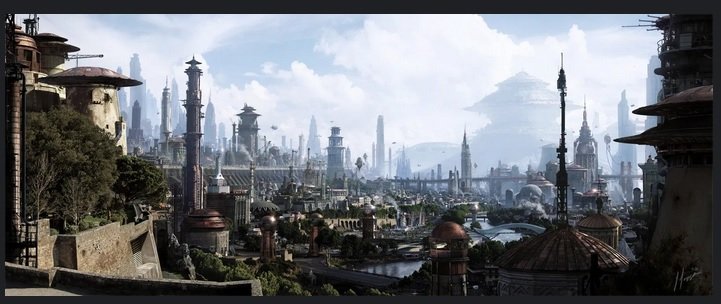
But the list goes on because there are many other basic VFX digital compositing techniques such as Planar Tracking (2.5D), 3D Camera projection, Rotoscopia, etc.